Introduction
Autotrophic nutrition is a fundamental process that sustains life on Earth. It is the method by which certain organisms produce their own food using simple inorganic substances. This process forms the foundation of most ecosystems, providing energy to heterotrophic organisms that cannot synthesize their own food.
Autotrophs, including plants, algae, and some bacteria, are vital for the survival of life. They capture energy from sunlight or chemical reactions to produce organic compounds, mainly carbohydrates, which fuel other organisms in the food chain.
Autotrophic nutrition allows organisms to produce their own food, forming the base of food chains and sustaining life on Earth’s ecosystems.
What is Autotrophic Nutrition?
Autotrophic nutrition is the ability of an organism to synthesize its own food from inorganic substances. Unlike heterotrophs, which rely on other organisms for energy, autotrophs are self-sufficient.
There are two main processes of autotrophic nutrition:
-
Photosynthesis – Using sunlight, water, and carbon dioxide to make glucose.
-
Chemosynthesis – Using chemical energy from inorganic compounds to produce food, often in environments without sunlight.
This method ensures a continuous supply of energy and organic matter for the entire ecosystem.
Importance of Autotrophic Nutrition in Nature
Autotrophic nutrition is crucial for maintaining ecological balance. Here are some key reasons for its importance:
- Provides food for herbivores and omnivores.
- Produces oxygen as a byproduct, essential for respiration.
- Helps recycle carbon and other elements in ecosystems.
- Supports the growth of plant populations, which stabilize soil.
- Maintains biodiversity by supporting various trophic levels.
- Acts as a primary energy source in ecosystems.
- Plays a role in climate regulation through carbon fixation.
- Contributes to the overall health of the environment.
Autotrophic nutrition maintains ecological balance by producing oxygen, fixing carbon, and serving as the primary energy source for all life forms.
Autotrophic Nutrition Definition
Scientific Definition
Autotrophic nutrition can be defined scientifically as:
“The mode of nutrition in which an organism synthesizes organic compounds from simple inorganic substances like carbon dioxide and water, using energy from sunlight or chemical reactions.”
Simple Explanation for Students
In simpler terms, autotrophic nutrition is when an organism makes its own food without consuming other organisms. Plants, algae, and certain bacteria are the best examples. Sunlight or chemical energy is used to create sugars, which provide energy and growth material.
Types of Autotrophic Nutrition
Autotrophic nutrition can be divided into two main types:
Photosynthetic Nutrition
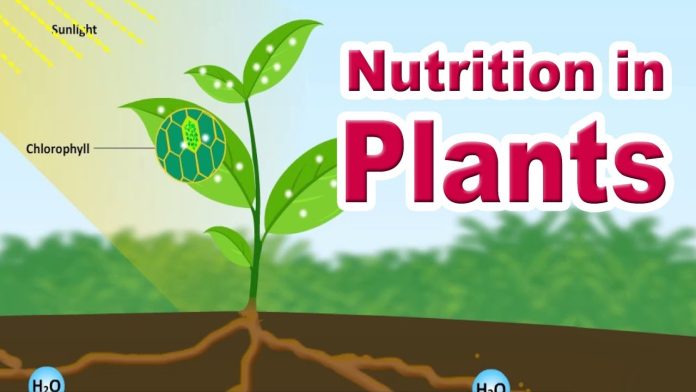
Photosynthesis is the most common form of autotrophic nutrition, primarily in plants and algae. It involves using sunlight to convert carbon dioxide and water into glucose and oxygen.
Process of Photosynthesis:
- Absorption of sunlight by chlorophyll.
- Conversion of light energy into chemical energy.
- Synthesis of glucose from carbon dioxide and water.
- Release of oxygen as a byproduct.
Chemosynthetic Nutrition
Chemosynthesis is another form of autotrophic nutrition, mostly found in bacteria living in extreme environments like deep-sea hydrothermal vents. These bacteria use chemical energy from inorganic compounds like hydrogen sulfide or ammonia to produce food.
Table: Differences Between Photosynthesis and Chemosynthesis
| Feature | Photosynthesis | Chemosynthesis |
|---|---|---|
| Energy Source | Sunlight | Chemical reactions |
| Common Organisms | Plants, algae | Bacteria |
| Location | Surface environments | Deep-sea vents, underground environments |
| Byproduct | Oxygen | Sulfates or other compounds |
| Importance | Provides food and oxygen | Supports life in extreme environments |
Examples of Autotrophic Nutrition
Autotrophic nutrition occurs in a wide variety of organisms. Understanding examples helps clarify the concept further.
Plant Examples
Plants are the most common autotrophs. Some notable examples include:
- Green plants – Oak trees, grass, and ferns.
- Algae – Found in freshwater and marine ecosystems, like Spirogyra and Chlorella.
These organisms use photosynthesis to convert sunlight into energy and provide food for herbivores.
Bacteria and Other Microorganisms
Certain bacteria also perform autotrophic nutrition:
- Nitrosomonas – Converts ammonia into nitrites using chemosynthesis.
- Sulfur bacteria – Use hydrogen sulfide to produce organic compounds in oxygen-free environments.
These organisms are essential for nutrient cycling in ecosystems where sunlight cannot reach.
How Autotrophic Nutrition Sustains Life on Earth
Autotrophic nutrition is central to life on Earth. It provides the energy required for other organisms and supports the ecological balance.
Role in Food Chains and Ecosystems
Autotrophs form the base of the food chain. Herbivores feed on plants, carnivores feed on herbivores, and decomposers recycle nutrients. Without autotrophs, ecosystems would collapse due to the lack of primary energy sources.
Oxygen Production and Environmental Benefits
Oxygen released during photosynthesis is critical for respiration in animals and humans. Additionally, autotrophs help reduce carbon dioxide levels, mitigating climate change. They also prevent soil erosion by stabilizing the ground with their roots.
Key Contributions of Autotrophs
- Produce organic food for all heterotrophs.
- Release oxygen necessary for respiration.
- Fix carbon dioxide, reducing greenhouse gases.
- Support biodiversity and ecosystem stability.
- Facilitate nutrient cycling through decomposition.
- Provide raw materials for industries (wood, fiber, fuel).
- Improve air quality by absorbing pollutants.
- Act as habitats for other organisms.
Autotrophic nutrition sustains ecosystems by providing food, oxygen, and stability, supporting life and maintaining the balance of nature.
Conclusion
Autotrophic nutrition is the cornerstone of life on Earth. It allows organisms to produce their own food, ensuring energy flows through ecosystems and maintaining ecological balance.
From photosynthetic plants to chemosynthetic bacteria, autotrophs not only feed the planet but also regulate oxygen and carbon levels, contributing to a healthy environment. Without autotrophic nutrition, life as we know it would cease to exist.
Key Takeaways:
- Autotrophic nutrition allows organisms to synthesize their own food.
- It forms the base of all food chains and ecosystems.
- Photosynthesis and chemosynthesis are the main processes.
- Autotrophs provide oxygen, stabilize ecosystems, and support biodiversity.
Autotrophic nutrition is vital for life, producing food and oxygen, stabilizing ecosystems, and supporting biodiversity for a sustainable planet.
Read More:- Weight Loss Calorie Calculator: Personalized Plans for Every Goal

