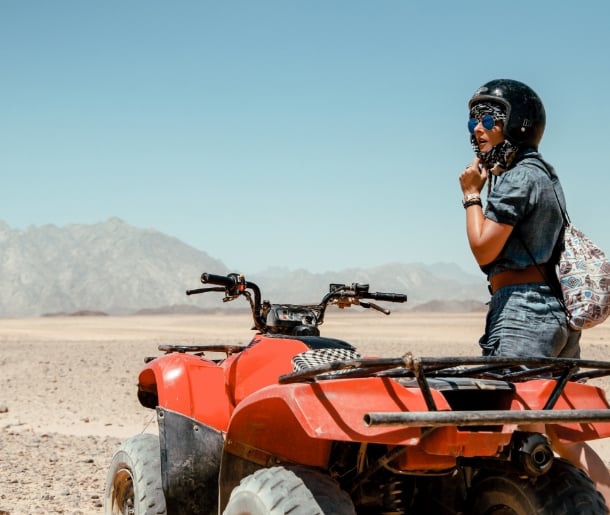
A desert excursion outside Las Vegas can be an exciting way to spend a weekend, celebrate a milestone, or give visiting friends a break from the usual casino and resort schedule. The experience is more enjoyable when the day is planned around safety rather than treated as a spontaneous drive through the open desert. A little preparation can reduce preventable injuries, heat-related illness, equipment problems, and the stress of realizing halfway through a ride that someone in the group is not comfortable.
The first step is choosing an outfitter that explains the experience clearly. Before booking, review the expected terrain, ride length, age requirements, vehicle options, clothing recommendations, and guide-to-rider ratio. A reputable provider of ATV riding Las Vegas experiences should make it easy to understand what is included and what riders need to bring. Clear information helps families, corporate groups, and first-time riders choose an excursion that matches their physical comfort and experience level.
Match the Ride to the Group
Not every desert route is appropriate for every rider. A beginner may enjoy a slower, scenic trail, while an experienced rider may prefer uneven terrain and steeper sections. Trying to satisfy both preferences with one aggressive route can create unnecessary pressure, especially when the group includes children, older adults, or people who have not exercised regularly.
Consider the following before selecting a ride:
- How long can each person comfortably sit and handle a vehicle?
- Is anyone recovering from an injury or dealing with balance, joint, or back concerns?
- Will the route include steep climbs, loose rock, sand, or sudden turns?
- Does every rider understand the basic controls and safety briefing?
- Is there a clear plan if someone needs to stop early?
Honest answers are more useful than trying to appear adventurous. A shorter ride that leaves everyone energized is usually a better outcome than an ambitious route that ends with exhaustion or soreness. Groups should also avoid pressuring a hesitant participant to ride faster or attempt terrain beyond their comfort level.
Prepare for Heat, Dust, and Physical Strain
The desert environment adds risks that may not be obvious from a city hotel or air-conditioned vehicle. Temperatures can change quickly, and direct sun, reflected heat, wind, and dust can contribute to dehydration. Even moderate riding requires sustained attention, grip strength, core stability, and repeated adjustments to the terrain.
Wear closed-toe shoes, long pants, protective eyewear, and clothing that allows movement without becoming loose around the vehicle. Helmets and other required protective equipment should fit securely. Bring water, but do not wait until thirst becomes intense before drinking. A light meal before the ride can help maintain energy, while heavy alcohol consumption before an excursion can impair judgment and increase dehydration.
Sun protection also deserves practical attention. Apply sunscreen before leaving, use lip balm with sun protection, and consider a lightweight long-sleeved layer. Dust can irritate eyes and airways, so riders who are sensitive to airborne particles may want to ask about face coverings or goggles in advance.
Keep Safety Part of the Experience
The guide’s instructions should remain the group’s reference point throughout the ride. Maintain the recommended distance, slow down before turns and rough sections, and avoid racing or passing unless the guide permits it. Riders should signal promptly if they feel overheated, confused, fatigued, or uncomfortable with the terrain. Stopping early is a responsible decision, not a failure.
Plan recovery time after the excursion as well. A demanding ride may leave muscles tired, particularly in the hands, shoulders, lower back, and legs. Schedule a relaxed meal, rehydrate, and avoid packing several strenuous activities into the same afternoon. If someone experiences severe dizziness, confusion, chest pain, difficulty breathing, or symptoms that do not improve with rest, seek prompt medical attention.
A well-planned desert ride gives everyone room to enjoy the scenery, learn new skills, and share an unusual Las Vegas experience. Safety does not take away from the adventure; it protects the people, time, and money invested in making the day memorable.

