Introduction
Explore the rarest eye color in humans, from amber to violet, and learn why some eye colors are uniquely uncommon and genetically fascinating.
Eye color is one of the most fascinating aspects of human appearance. While most people have brown or blue eyes, some rare shades like amber, green, gray, and violet are much less common. Understanding the rarest eye color involves genetics, environment, and sometimes even chance.
What Is the Rarest Eye Color?
The rarest eye color is more than just a visual trait. Learn which shades are most uncommon and what makes these eyes truly unique.
When we talk about th, we often refer to shades that appear in less than 1% of the global population. While blue and brown dominate worldwide, some colors like amber and violet are exceedingly rare.
| Eye Color | Approximate Global Occurrence | Description |
|---|---|---|
| Amber | 5% | Golden or copper tones with a warm, glowing appearance. |
| Green | 2% | Often seen in Northern and Central Europe, mixes of blue and yellow pigments. |
| Gray | 1% | Cool tones, sometimes changing with light or clothing. |
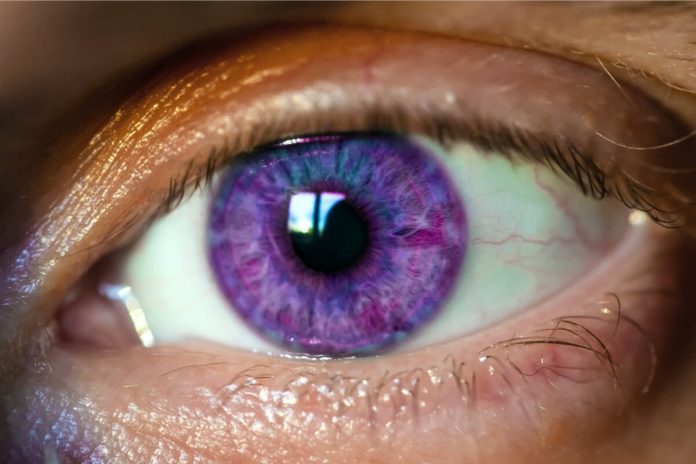
| Violet | <1% | Extremely rare, often linked to albinism, giving a purple hue. |
| Red | <0.1% | Usually found in albinism, appearing red due to blood vessels showing through. |
The rarest eye color is typically considered violet, which is extremely uncommon and often results from genetic mutations or specific medical conditions.
Why Some Eye Colors Are Extremely Rare
Eye color depends primarily on the amount of melanin in the iris. Less melanin leads to lighter eyes (blue, green, gray), while more melanin produces darker eyes (brown, black).
Factors that make the rarest eye color uncommon:
- Genetics and hereditary patterns.
- Mutations that reduce or alter melanin distribution.
- Geographic and population variations.
- Medical conditions like albinism.
-
Random genetic combinations creating unique shades.
Rarest Eye Color Facts:
- Violet eyes are so rare that most documented cases are in people with albinism.
- Green eyes are more common in Northern and Central Europe but rare globally.
- Amber eyes have a golden hue due to the pigment called lipochrome.
- Gray eyes may appear to change color under different lighting.
- Red eyes are extremely rare, usually linked to very low melanin levels.
Genetics Behind Rare Eye Colors
Eye color is determined by multiple genes, primarily OCA2 and HERC2, which influence melanin production.
| Gene | Effect on Eye Color | Rarest Eye Color Link |
|---|---|---|
| OCA2 | Controls melanin levels | Low melanin can produce blue, gray, or violet eyes |
| HERC2 | Regulates OCA2 | Mutations can lead to green or unusual shades like amber |
| Other minor genes | Modify shade intensity | Contribute to extremely rare colors like violet |
Genetics explains why certain populations have higher occurrences of rare eye colors. For instance, green eyes are more common in people of Irish, Scottish, and Northern European descent.
From Amber to Violet: Rare Eye Colors Explained
Amber Eyes
Amber eyes have a golden or copper tone, often described as glowing in sunlight. This is caused by lipochrome, a yellow pigment that mixes with low melanin levels.
Green Eyes
Green eyes combine a small amount of melanin with a yellowish pigment, giving them a striking, mysterious hue. Green eyes are considered one of the rarest eye colors globally.
Gray Eyes
Gray eyes can appear bluish, silver, or slate depending on light reflection. Their rarity is linked to low melanin and unique collagen structures in the iris.
Violet Eyes
Violet eyes are extremely rare, often mistaken for blue. They are typically associated with albinism, where reduced melanin allows red blood vessels to show through, creating a purple appearance.
Red Eyes
Red eyes are perhaps the rarest of all, seen primarily in individuals with albinism. The redness comes from blood vessels visible through the iris.
Celebrities With Rare Eye Colors
- Elizabeth Taylor – famous for her striking violet eyes.
- Megan Fox – known for green eyes, considered rare globally.
- Vanessa Paradis – has amber eyes with golden hues.
- Christopher Walken – unique light blue-gray eyes.
- David Bowie – heterochromia gave his eyes a strikingly rare appearance.
How to Identify the Rarest Eye Color
- Examine under natural light for true color.
- Consider genetic background or family history.
- Look for hints of amber, gray, or violet tones.
- Understand that lighting and surroundings can alter appearance.
- Consult an eye specialist if unsure about unusual shades.
Fun Facts About the Rarest Eye Color
- Eye color can slightly change over time, but the rarest eye colors often stay consistent.
- Rare eye colors can be a sign of unique genetics but are generally harmless.
- The rarest eye color does not determine personality, despite myths.
- Lighting, clothing, and makeup can enhance or soften the appearance of rare eye colors.
-
Some rare eye colors appear more vivid in photographs due to contrast and lighting.
Conclusion
The rarest eye color, from amber to violet, reveals fascinating genetics and beauty, making these shades truly one-of-a-kind globally.
While most people have brown or blue eyes, the rarest eye color—including violet, amber, and green—remains an intriguing genetic marvel. These rare shades are not only visually striking but also a reminder of human diversity and the fascinating interplay of genetics and environment. Whether you have a rare eye color yourself or simply admire them, understanding these hues adds appreciation for the beauty in human variation.
Read More:- Skin Tag Care: When to Worry and When It’s Harmless

