Introduction
Spotting skin cancer early saves lives. Learn what skin cancer looks like, warning signs, and how to identify suspicious moles or spots effectively.
Skin cancer is one of the most common types of cancer worldwide. Recognizing what skin cancer looks like and identifying early warning signs can dramatically improve outcomes. While some forms of skin cancer are highly treatable if caught early, many people miss the signs until it progresses.
The keyword “what does skin cancer look like” is central to understanding how to detect suspicious lesions, moles, or spots on your skin. By regularly checking your skin, you can notice changes that may indicate malignancy and seek medical advice promptly.
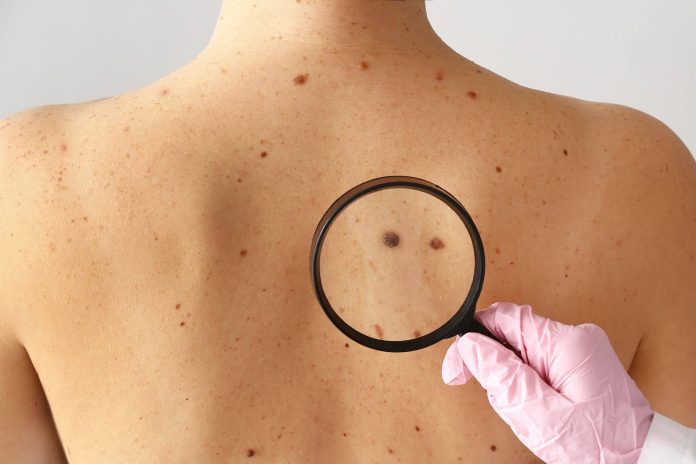
What Does Skin Cancer Look Like? Key Visual Signs to Watch For
Wondering what skin cancer looks like? Learn the key visual signs, including unusual moles, spots, or lesions to monitor for early detection.
Skin cancer can appear in various forms depending on the type—basal cell carcinoma, squamous cell carcinoma, or melanoma. Here are common visual signs:
- Asymmetry: One half of a mole or spot doesn’t match the other.
- Border irregularity: Edges are ragged, notched, or blurred.
- Color variation: Multiple shades of brown, black, or even red, white, or blue.
- Diameter: Spots larger than 6mm (size of a pencil eraser) are concerning.
- Evolution: Any change in size, shape, color, or symptom (itching, bleeding) is a red flag.
Understanding these warning signs helps you answer the question: what does skin cancer look like? Regular self-exams and professional checks are crucial.
Types of Skin Cancer and Their Appearance
Different types of skin cancer can look quite distinct. Recognizing them can help you spot them early.
| Type of Skin Cancer | Visual Characteristics | Common Locations |
|---|---|---|
| Basal Cell Carcinoma (BCC) | Pearly or waxy bump, often pink or light-colored; may bleed easily | Face, neck, arms |
| Squamous Cell Carcinoma (SCC) | Firm, red nodule or scaly patch; may crust or ulcerate | Face, ears, hands |
| Melanoma | Irregular, multicolored mole; asymmetrical; can change quickly | Anywhere, commonly back, legs, arms |
| Merkel Cell Carcinoma | Red, purple, or skin-colored nodule; fast-growing | Head, neck, trunk |
| Dermatofibrosarcoma Protuberans | Firm, flesh-colored bump; slow-growing | Trunk, arms, legs |
These examples emphasize why knowing what skin cancer looks like is essential for early detection and treatment.
How to Perform a Self-Examination
Self-examinations are a simple, effective way to detect skin changes early. Here’s a step-by-step guide:
- Check your entire body: Use a full-length mirror and a hand mirror for hard-to-see areas.
- Examine moles and spots: Look for changes in size, shape, or color.
- Monitor scalp and hairline: Use a comb or ask someone to check.
- Inspect nails and soles of feet: Unusual spots can appear in less visible areas.
- Document changes: Take photos to track any evolving lesions.
These steps directly answer the question of what does skin cancer look like by encouraging you to look closely at suspicious signs.
Risk Factors That Make Skin Cancer More Likely
Certain factors increase your risk, helping you know when to be extra vigilant:
- Excessive sun exposure: UV radiation damages skin cells.
- Fair skin: Less melanin makes you more susceptible.
- Family history: Genetics can play a strong role.
- Age: Older adults have higher incidence.
- Immunosuppression: Weakened immune system increases risk.
Being aware of these factors can guide the frequency of self-exams and professional screenings.
Professional Diagnosis and Treatment
Even with careful self-examination, only a medical professional can confirm skin cancer. Diagnosis typically involves:
| Diagnostic Method | Purpose |
|---|---|
| Dermoscopy | Magnified view of skin for abnormal patterns |
| Biopsy | Confirms cancer by examining tissue under a microscope |
| Imaging (rare) | Check for spread in advanced cases |
| Blood tests | Sometimes used for melanoma monitoring |
| Sentinel node biopsy | Determines if melanoma has spread to lymph nodes |
Early detection often allows for less invasive treatments such as surgical excision, topical therapies, or laser treatment. Advanced cases may require chemotherapy, immunotherapy, or radiation.
Preventing Skin Cancer: Tips to Reduce Risk
- Always apply broad-spectrum sunscreen with SPF 30 or higher.
- Avoid tanning beds and prolonged sun exposure.
- Wear protective clothing, hats, and sunglasses.
- Seek shade during peak sun hours (10 a.m.–4 p.m.).
- Schedule regular skin checks with a dermatologist.
Prevention combined with early detection is the most effective strategy against skin cancer.
Common Myths About Skin Cancer Appearance
Many misconceptions exist:
- Only dark moles are dangerous – False, even light or flesh-colored lesions can be malignant.
- Skin cancer always hurts – Often painless in early stages.
- It only occurs on sun-exposed areas – Can appear anywhere on the body.
- Small moles are harmless – Size doesn’t always indicate safety; change matters.
- Skin cancer grows slowly – Some forms, like melanoma, can spread quickly.
Knowing the truth helps answer “what does skin cancer look like” more accurately.
Conclusion: Staying Vigilant Saves Lives
Early detection of skin cancer starts with knowing what it looks like. Spot warning signs, examine your skin, and consult a doctor promptly.
Recognizing skin cancer involves knowing what it looks like: unusual moles, asymmetry, color changes, or evolving lesions. By performing regular self-exams, understanding risk factors, and seeking professional guidance, you increase your chances of detecting skin cancer early and receiving effective treatment. Always stay vigilant—early detection saves lives.
Read More:- Cancer and Skin Symptoms: Why Itchiness Might Be More Than Dry Skin

