Introduction
Strong, well-defined shoulders are important for upper body strength, posture, and how athletic you seem overall. The shoulder joint is one of the most flexible joints in the body, but if you don’t train it right, it can become weak and out of balance. The dumbbell shoulder press is one of the best workouts for this area since it builds strength, control, and coordination all at the same time. Many novices utilize it to master basic lifting patterns, and advanced athletes use it to improve muscle symmetry and joint stability.
Shoulder presses have been done in different ways for decades, and they have changed as fitness training has changed. Using dumbbells instead of machines or barbells lets your arms move naturally and makes each arm work on its own. This independence helps find muscle imbalances and improves cooperation between the nervous system and muscles. If you keep practicing, you can see big changes in the size of your shoulders, the strength of your upper body, and the way you move in daily life.
What is the Shoulder Press with Dumbbells
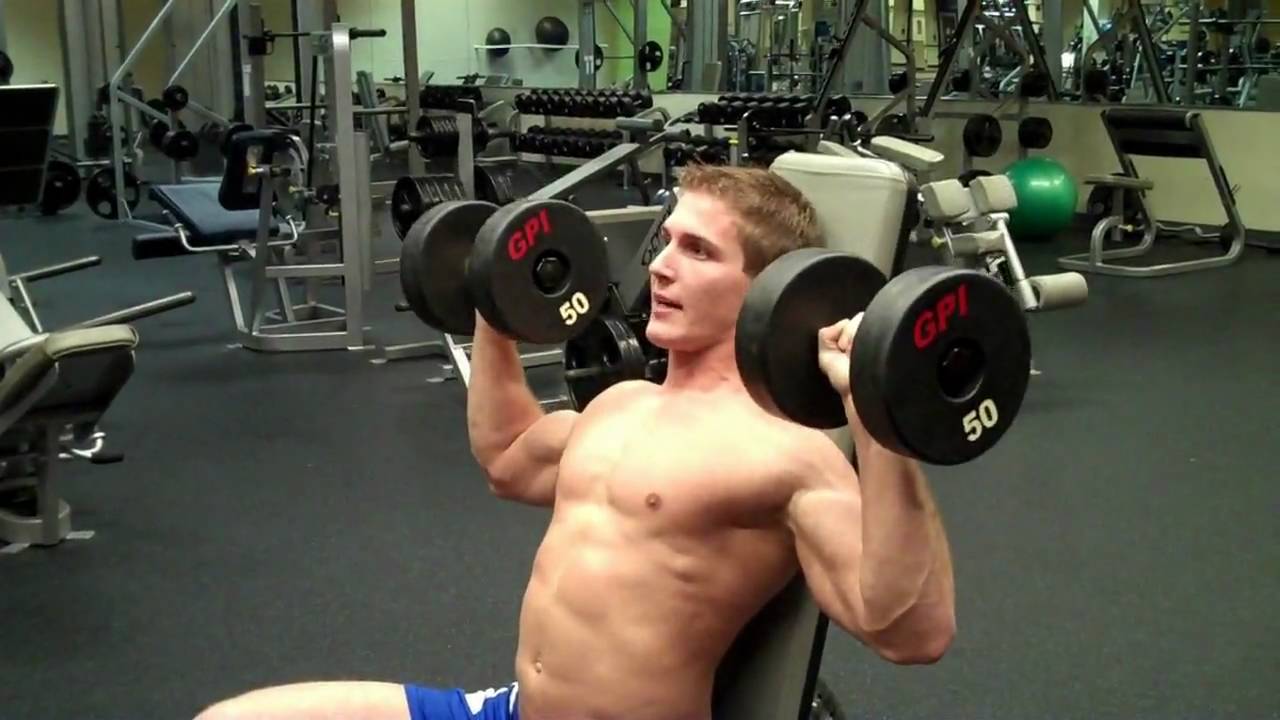
The dumbbell shoulder press is a resistance training exercise that works the deltoid muscles in the shoulders and also the triceps, upper chest, and core stabilizers. People usually do it while sitting or standing, holding a dumbbell in each hand at shoulder level and pressing it up until their arms are almost fully extended. Then, in a controlled way, the movement goes back to the initial position.
This exercise works so well because it mimics natural pressing motions while letting the shoulder joint move freely. Dumbbells let the arms move a little bit in or out as needed, which is better for the joints and fits each person’s body better than fixed-path machines. When done correctly, this exercise is good for a lot of different body shapes and levels of fitness.
What Muscles are Involved and How they Work Together

The anterior and lateral heads of the deltoids are the main muscles that work during this exercise. These muscles are what make the shoulders look rounded and robust by lifting the arms forward and to the sides. The triceps brachii help by straightening the elbows during the pressing phase, while the upper part of the pectoral muscles gives further assistance.
Stabilizing muscles are very important for support. The rotator cuff muscles help keep the shoulder joint in the right place while the trapezius and serratus anterior help regulate the scapula. When done while standing, the core muscles, such as the abs and lower back, are also used to keep balance and posture. The way the muscles work together makes the exercise both a strength builder and a useful movement.
Why You Should Include Shoulder Pressing in Your Routine
Adding the dumbbell shoulder press to your workout routine has several benefits besides just building strength. One of the best things about it is that it makes your shoulders more stable. Since each arm works on its own, the body has to employ stabilizing muscles that machines or barbells might not use as much.
Another good thing is that it helps muscles grow evenly. A lot of people have a stronger side that tends to take over the weaker side when they move both sides at once. Dumbbells help fix this problem by making sure that both shoulders do the same amount of work. This can help with symmetry over time and lower the risk of injuries from overuse.
Another benefit that is often missed is better posture. Strong shoulders and upper back muscles help keep the spine in the right place, which is especially important for people who sit for long periods of time. improved shoulder strength also means improved success in sports and everyday tasks that require pushing, lifting, or carrying things.
Correct Form and Execution Technique
To get the best outcomes and lower the chance of damage, it’s important to do the movement correctly. Start by picking a weight that lets you control the whole range of motion. Sit on a bench with your back supported or stand with your feet shoulder-width apart. With a dumbbell in each hand, bring them to shoulder height. Your palms can be pointing forward or slightly inward, depending on what feels best.
Lift your chest and engage your core. Push the weights up in a steady, controlled way until your arms are straight but not locked. To keep control, stop for a moment at the top, then carefully descend the dumbbells back to shoulder level. You should breathe steadily, exhaling when you push up and inhaling when you lower.
It is very important to keep your alignment right. Don’t arch your lower back too much, and keep your head in a neutral position. Focusing on controlled movement instead of speed helps protect the shoulder joint and gets the muscles to work harder.
How to Avoid Common Mistakes
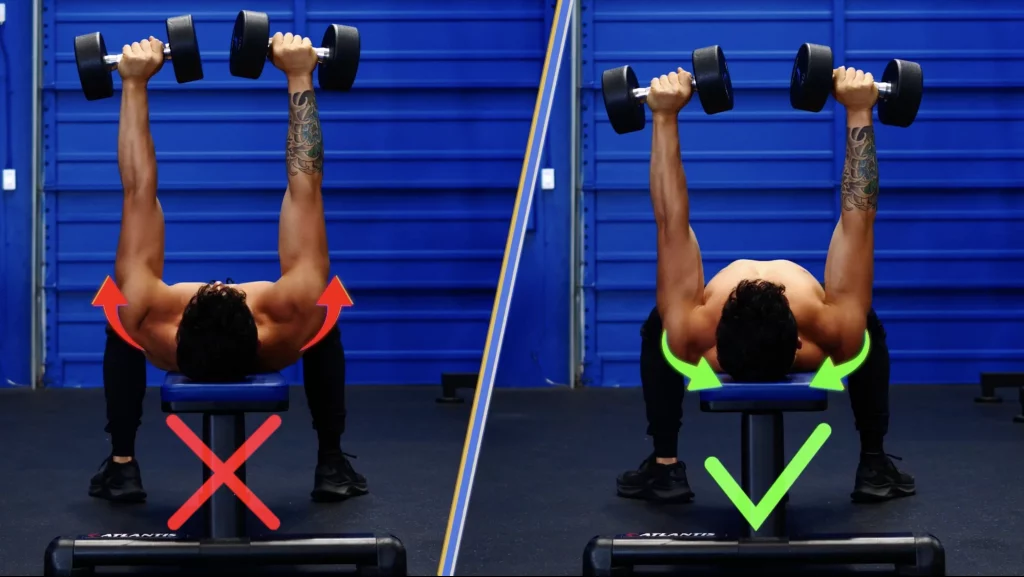
Using weights that are overly heavy is a common mistake. This can sometimes lead to bad form, like too much arching of the back or flaring of the elbows. By lowering the weight and concentrating on form, you make sure that the muscles you want to work are performing the work instead of depending on momentum.
Another common problem is not being able to move through the whole range of motion. If you only lower the dumbbells partway, your muscles won’t be as active and you won’t acquire as much strength. Making sure the weights go back to shoulder level with each rep helps the body grow and become more flexible.
Bad shoulder alignment might also make you feel bad. When you press, shrugging your shoulders up puts too much tension on your neck and upper traps. Keeping your shoulders down and back during the whole action helps keep the mechanics right and lowers strain.
Different Fitness Levels Can Use Different Variations
You can do this workout in different ways to fit your own goals and skills. Doing the activity while sitting down gives your back more support and makes it easier to balance, which is good for beginners. Standing variants make your core work harder and make you more stable overall.
People who have trouble moving their shoulders may find it more comfortable to do neutral grip variations, where the palms face each other. When you do alternating arm presses, just one side works at a time, which helps you focus and control. Each variant keeps the basic benefits of the dumbbell shoulder press while adding new obstacles and ways to adapt.
How Often you Program and Train
It depends on your personal goals whether or not to include this exercise in your training routine. Doing it once or twice a week as part of an upper body workout is enough for general fitness and muscle tone. People who are trying to build strength or muscle may do it more often, as long as they have enough recovery between sessions.
The number of repetitions can change depending on your goals. Moderate repetitions with a steady speed help muscles strengthen, while lower repetitions with heavier weights focus on strength. No matter what method you use, steady growth and taking care of yourself are important for long-term success.
Safety and Preventing Injuries

When doing pressing actions, you should always put your shoulder health first. Light mobility exercises and lighter sets can help warm up the joints and get the muscles ready, which lowers the risk of injury. It’s important to pay attention to your body and stay away from movements that generate severe pain.
Adding pulling exercises and strengthening the rotator cuff to your training routine helps keep your shoulder joint stable. Resting and stretching are important parts of recovery that help the muscles heal and get stronger over time.
Conclusion and Long-Term Effects on Health
The dumbbell shoulder press is still one of the best and most flexible workouts for creating strong, stable, and well-shaped shoulders. It is a great supplement to almost any workout regimen because it works many muscle groups at once and helps with balance and coordination. When done correctly and with a good plan, it helps with both aesthetic goals and functional strength, as well as long-term joint health.
People may make this movement work for them by learning how it works, what its benefits are, and how it can be done in many ways. If you practice regularly and pay attention to your technique, you can see big increases in your strength, posture, and general upper body performance.
Read More:- Shoulder Press Exercise Guide for Strength, Muscle, and Fitness

