
Introduction
Strength training is very important for establishing a healthy and functional physique, and upper body workouts are quite important for general athletic development. The shoulder press is one of the most effective compound exercises for building upper body strength, stability, and muscle coordination. This exercise has been a mainstay in strength training programs for beginners, athletes, and bodybuilders alike because it works out many muscle groups at once.
The activity involves pushing resistance up from shoulder press to an overhead position. This works the shoulders, arms, upper chest, and core. This exercise tests both strength and balance, whether you do it with dumbbells, barbells, machines, or kettlebells. It also helps with posture and functional movement patterns that may be used in everyday tasks like lifting things over your head.
To get the most out of this exercise and avoid getting hurt, you need to know how it works, why it works, and how to do it safely. This tutorial goes into great detail about every part of the activity, including its anatomy, technique, variants, and long-term benefits.
Getting to Know the Anatomy Involved
To truly comprehend how well this exercise works, you need to know which muscles are used during the movement. The deltoid muscle is the main muscle group that is worked. It has three heads: the anterior deltoid, the lateral deltoid, and the posterior deltoid. The anterior deltoid is the most important muscle when you press, especially when you push the weight above your head.
The triceps brachii are an example of a supporting muscle. They help the elbow extend, which lets the arms straighten at the peak of the exercise. The upper section of the pectoral muscles also helps, especially at the start of the lift. The trapezius muscles also help keep the shoulder press in place, while the rotator cuff muscles keep the joints stable throughout the range of motion.
The core muscles, such the abs and lower back, operate isometrically to keep your body upright and stop your spine from bending too much. This coordinated muscle activation makes the exercise a compound movement, which means it works out more than one muscle group at once, making it more efficient and functional.
The Past and Present of Overhead Pressing Movements
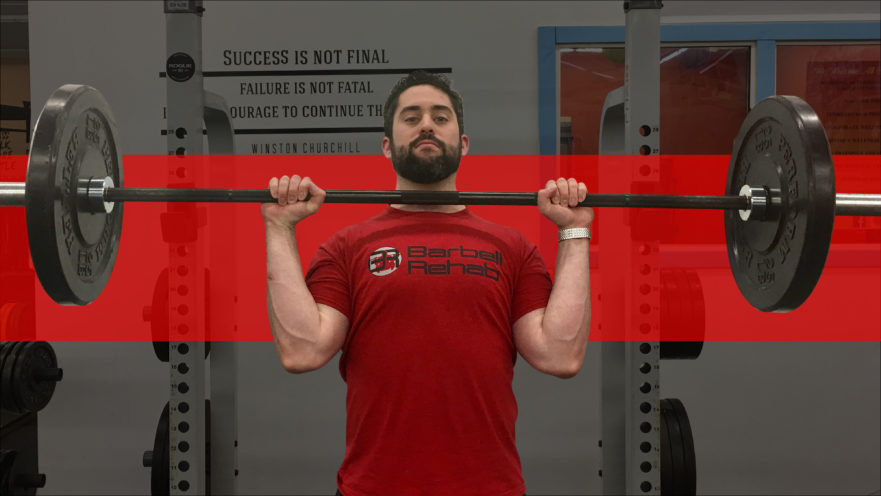
People have been doing overhead pressing actions for hundreds of years. In ancient times, people lifted heavy things above their heads to show how strong and fit they were. In the past, overhead lifts were widely utilized in strength competitions to see how strong and athletic someone was.
As contemporary weightlifting grew, systematic workouts were created to get the most out of muscle engagement while lowering the risk of injury. The shoulder press was a better version of these early overhead lifts. It let people move in regulated ways and add more weight over time. The exercise became easier for people of all fitness levels to do when gym equipment and adjustable weights were added.
It is now commonly utilized in bodybuilding, functional training, athletic conditioning, and rehabilitation regimens. It has become a basic exercise in resistance training because it is so flexible and works so well.
Doing it Right and With the Right Technique
To get the best effects and avoid putting too much stress on the joints, you need to do the exercise correctly. The weight should be at shoulder press, and the elbows should be slightly in front of the torso to start the movement. To make a secure base, the spine should stay neutral and the feet should be firmly on the ground.
The arms go up over the head as the weight is pushed up, and the core stays tight. There shouldn’t be any unexpected jerks or too much speed in the movements. When you reach the top of the exercise, your arms should be fully extended, but you shouldn’t lock your elbows too tightly. Then, in a methodical way, the weight is lowered back to the beginning position, keeping the muscles tense the whole time.
Breathing is very important when doing the task. Exhaling while going up and inhaling while going down helps keep balance and control. Keeping the wrists, elbows, and shoulders in the right position lowers stress on the joints and makes ensuring that the muscles work properly.
How to Avoid Common Mistakes

Even though it’s simple, a lot of people make mistakes that can make it less effective or more likely to cause damage. One common mistake is to bend the lower back too far, which takes the weight off the shoulders and puts stress on the lumbar spine. This happens a lot when the weight is too heavy or when the core isn’t working properly.
Another common mistake is to flare the elbows too far out, which can make the shoulder joint less stable. Keeping the elbows slightly forward helps keep the pressing path safer and more natural. Using momentum to bounce the weight up also makes the muscles less active and raises the risk of injury.
Another problem is that bending the wrists backward puts too much stress on the joints. When the wrists are neutral and in line with the forearms, it makes it easier to transfer force and feel comfortable. Concentrating on controlled movement and good posture can greatly improve safety and performance.
Different Ways to Do the Shoulder Press Exercise
One of the good things about this movement is that it can be used in many ways. Different versions let people practice different muscles, work around mobility issues, or add diversity to their routines. Dumbbell variations let you move your body in different ways and need more stabilization, which makes them fantastic for strengthening muscular balance.
Barbell variants let you lift heavier weights, which makes them good for strength training. Machine-based versions guide movement, which can be helpful for people who are just starting out or who are recuperating from an injury. Seated variations focus on upper body strength and limit lower body participation. Standing versions, on the other hand, work the core more fiercely.
Single-arm variations include a unilateral training element, which helps fix muscle imbalances and improve coordination. Each version has its own set of benefits, so people may choose the one that works best for their goals and fitness level.
Advantages for Building Strength and Muscle
The biggest benefit of adding this exercise to your program is that it will make your shoulders stronger and provide you more muscular mass. Progressive overload works well for the deltoids, which makes this workout very good for hypertrophy. Having stronger shoulders can help you do better at other upper body exercises like push-ups and bench presses.
In addition to looking better, stronger shoulders make you functionally stronger, which makes everyday tasks easier and safer. It’s easier to do things like lift groceries, put things on high shelves, or carry things over your head. The triceps also get a lot stronger, which makes the arms stronger and more defined.
Consistent exercise enhances the synchronization of the nervous system and muscles, which helps them perform together better. This not only makes you stronger, but it also makes your movements better and your general athleticism.
Effect on Shoulder and Posture Health
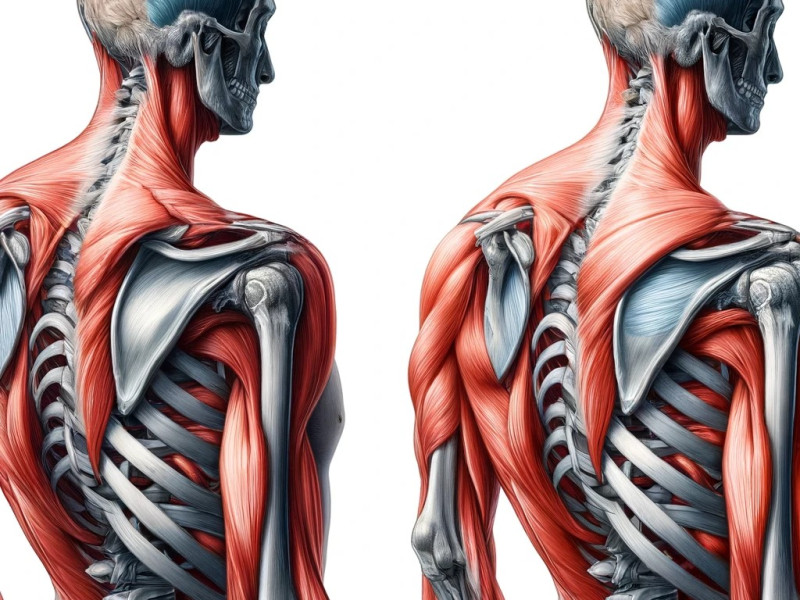
A lot of people today sit for lengthy periods of time and have their shoulders and upper back rounded forward, which might make them weaker. This exercise helps offset these consequences by strengthening the muscles that keep you standing up straight when done correctly.
Better shoulder stability lowers the chance of being hurt, like with impingement or rotator cuff strain. The action helps keep joints healthy in the long run by strengthening the muscles that support them and encouraging balanced growth. To get these benefits without putting too much stress on the shoulders, it’s important to use the right technique and load.
Part in Sports Performance
Overhead pressing strength is good for athletes in many sports. You need strong and stable shoulders for sports that include throwing, hitting, or lifting something over your head. Better shoulder strength makes it easier to shift power from the lower body to the upper body, which leads to more explosive motions.
The exercise also helps with proprioception, which is the body’s capacity to feel where its joints are and how they are moving. This increased awareness helps athletes stay in control during fast movements, which lowers the chance of getting hurt. Adding this movement to an athlete’s training can help them do better and be more resilient.
How Often to Program and Train
Careful planning is needed to include the activity in a balanced training program. How often you train depends on your goals, how much experience you have, and how well you recover. Beginners might find it helpful to do the movement once or twice a week, which gives their muscles time to adjust and recuperate.
More experienced and intermediate lifters may do it more often, changing the amount and intensity as needed. It helps keep your muscles balanced when you do it with other workouts that work your upper back. Adequate relaxation, good nutrition, and gradually increasing the amount of work you do are all important parts of good programming.
Safety and Preventing Injuries
When doing resistance exercises, safety should always come first. Light exercises and mobility routines to warm up the shoulders get the joints and muscles ready for higher loads. When you start with weights that are easy to handle and slowly add more resistance, your body can safely adjust.
It’s really important to listen to your body and stay away from suffering. Don’t dismiss pain in the shoulder joint; it could mean you’re doing something wrong or that there are other problems. Using the right tools, keeping good posture, and getting aid from trained people can all help lower the chance of injury.
Shoulder Press vs. Other Shoulder Exercises
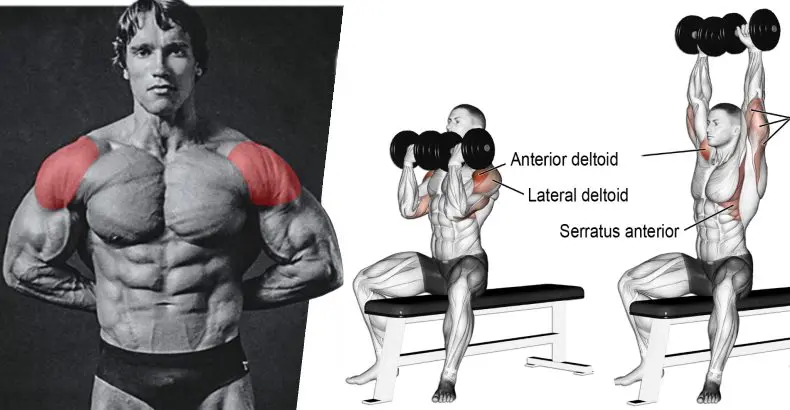
There are a lot of exercises that work the shoulders, but not many that do the same thing with strength, function, and muscle engagement. Isolation exercises work on specific muscle heads, but they don’t give the same total stimulus as compound motions.
The shoulder press works up a lot of muscles at once, which makes it a better and faster way to increase overall upper body strength. When done with additional exercises, it makes a complete shoulder workout that works on both strength and looks.
Long-Term Effects on Your Life and Health
Training regularly will help you get stronger, more flexible, and more confident over time. People frequently find it easier to do daily duties and feel more confident as their strength grows. Strong shoulders help you have a balanced body and make you look better overall.
In addition to physical benefits, regular exercise helps mental health by lowering stress and giving you a sense of accomplishment. The focus and dedication needed to make improvement in strength training often carry over into other parts of life, making you more resilient and determined.
Conclusion
The shoulder press is still one of the best and most useful strength training exercises. It is a great addition to any exercise program since it may help you get stronger, improve your posture, perform better in sports, and stay healthy overall. People may get the most out of this strong exercise by focusing on the right technique, the right sequence, and doing it often.
If you want to build muscle, get stronger, or improve your athletic performance, learning how to do the shoulder press can help you in many ways outside of the gym.
Read More:- Shoulder Press Machine Guide for Strength, Safety, and Results

