
Introduction
The shoulder press machine is one of the most recognized pieces of equipment in modern gyms, valued for its simplicity, safety, and effectiveness in developing upper body strength. Whether someone is new to resistance training or an experienced athlete refining their routine, this machine offers a structured way to target the shoulders without the complexity of balancing free weights. Its guided movement pattern allows users to focus on muscle engagement and breathing, making workouts more controlled and consistent. Over time, this has made the shoulder press machine a staple in fitness centers, rehabilitation facilities, and even home gyms.
Understanding Shoulder Anatomy and Function
To appreciate how this machine works, it is important to understand the role of the shoulder joint. The shoulder is a highly mobile structure made up of several muscles, including the deltoids, trapezius, and supporting rotator cuff muscles. These muscles allow the arms to lift, rotate, and stabilize during daily activities and athletic movements. Because the shoulder joint is so mobile, it is also vulnerable to strain and injury. Training with proper form and controlled resistance is essential, and this is where machines play a valuable role in offering guided motion.
Evolution of Strength Training Machines

Strength training has evolved significantly over the decades. Early training relied heavily on bodyweight exercises and free weights, which required skill and balance. As fitness science progressed, machines were designed to isolate specific muscle groups and reduce unnecessary stress on joints. The shoulder press machine emerged as part of this evolution, offering a seated or standing press movement that closely mimics the overhead press while providing added stability. This design helped make shoulder training more accessible to a wider population.
What Makes the Shoulder Press Machine Unique
Unlike free-weight presses, this machine controls the path of motion, reducing the need for stabilization. This allows the shoulders to work more directly against resistance without excessive involvement from other muscle groups. The seat height, backrest, and handles are usually adjustable, enabling users to align the machine with their body proportions. This customization enhances comfort and reduces the risk of improper form, especially for beginners.
Primary Muscles Targeted
The main muscles activated during the exercise are the anterior and lateral heads of the deltoids. Secondary muscles include the triceps, upper chest, and upper back stabilizers. Because the movement is controlled, the shoulders experience consistent tension throughout the range of motion. This makes the shoulder press machine effective for both strength development and muscle hypertrophy when used with appropriate resistance and repetitions.
Benefits of Using the Shoulder Press Machine
One of the most notable advantages of this equipment is safety. The guided path reduces the likelihood of dropping weights or losing balance. This is particularly helpful for individuals training alone. Another benefit is ease of use, as the machine requires minimal setup and learning curve. Consistent resistance and controlled movement also make it ideal for progressive overload, allowing users to gradually increase weight as strength improves.
Shoulder Press Machine for Beginners

For beginners, the shoulder press machine serves as an excellent introduction to overhead pressing movements. It helps users learn proper pressing mechanics without worrying about balance or coordination. Starting with light resistance allows beginners to focus on posture, breathing, and muscle engagement. Over time, as confidence grows, resistance can be increased to build strength safely and effectively.
Role in Advanced Training Programs
Advanced lifters often incorporate machines into their routines for variety and targeted muscle activation. Even though free weights are popular for compound movements, machines offer unique advantages such as constant tension and reduced strain on stabilizing muscles. The shoulder press machine can be used during heavy training days or as a finishing exercise to fully fatigue the shoulders after compound lifts.
Proper Setup and Body Positioning
Correct setup is crucial for maximizing benefits and minimizing risk. The seat should be adjusted so that the handles align roughly with shoulder height. Feet should be flat on the floor, and the back should rest firmly against the pad. Maintaining a neutral spine and engaged core helps ensure that the shoulders bear the primary load. Proper positioning allows the movement to feel smooth and controlled from start to finish.
Execution and Movement Pattern
The exercise begins with the hands gripping the handles and elbows bent. As the movement starts, the user presses upward in a steady motion until the arms are nearly extended. It is important not to lock the elbows at the top. The resistance is then lowered slowly back to the starting position. Controlled tempo during both phases enhances muscle engagement and reduces joint stress.
Breathing Techniques During the Exercise
Breathing plays an important role in strength training. During the pressing phase, exhaling helps stabilize the core and maintain rhythm. Inhaling during the lowering phase allows the body to prepare for the next repetition. Proper breathing not only improves performance but also helps prevent unnecessary tension in the neck and shoulders.
Common Mistakes to Avoid
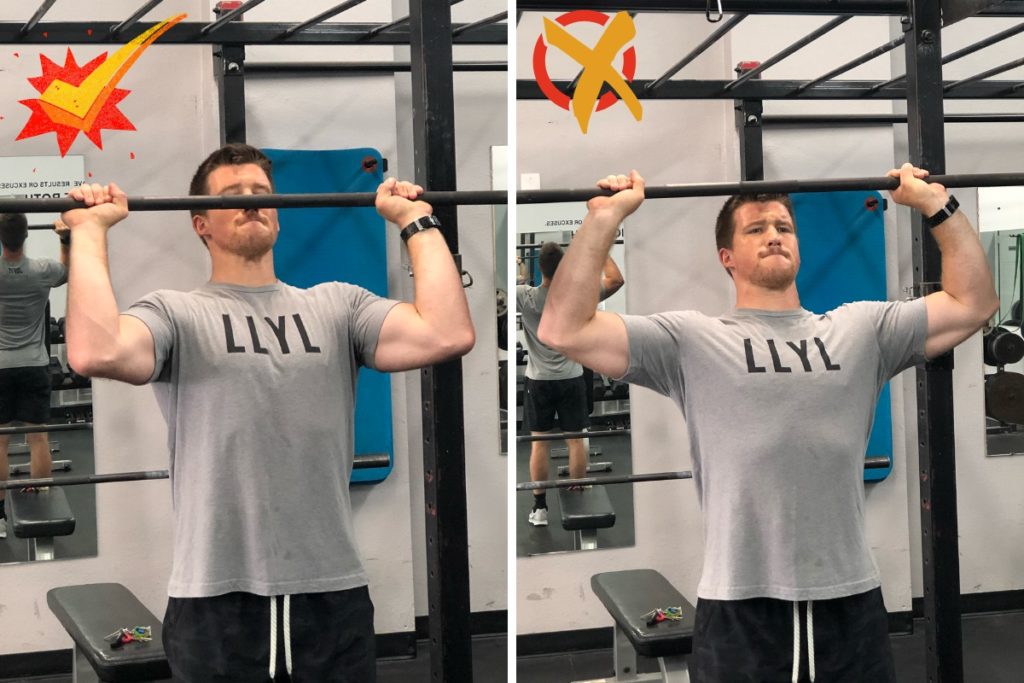
Despite its guided nature, improper use can still reduce effectiveness. Using excessive weight often leads to shortened range of motion and increased strain. Another common mistake is arching the lower back, which shifts stress away from the shoulders. Maintaining proper alignment and choosing manageable resistance ensures the exercise remains safe and productive.
Shoulder Press Machine and Injury Prevention
Because the shoulders are prone to injury, controlled training is essential. The shoulder press machine reduces the need for stabilization, allowing users to focus on proper movement. This makes it a useful option during rehabilitation or when returning to training after injury. However, it is still important to start with light resistance and progress gradually.
Comparison With Free Weight Shoulder Press
Free weight presses require more balance and coordination, engaging stabilizing muscles throughout the body. In contrast, the machine offers stability and isolation. Both methods have value, and many training programs include both. The shoulder press machine is especially beneficial when the goal is focused shoulder development or when training in a controlled environment.
Integration Into Full Body Workouts

This machine fits well into various workout splits, including upper body, push-focused, or full-body routines. It can be placed early in the workout when energy levels are high or later as an accessory exercise. Its versatility allows it to complement other movements such as chest presses and lateral raises.
Impact on Posture and Daily Function
Strong shoulders contribute to better posture and upper body alignment. Regular training on the shoulder press machine can help counteract the effects of prolonged sitting and poor posture. Improved shoulder strength supports daily activities such as lifting objects, reaching overhead, and maintaining balance during movement.
Customization and Variations
Many machines offer different grip options, allowing slight variations in muscle emphasis. Neutral grips may feel more comfortable for some users, while wider grips can emphasize different parts of the shoulder. Adjusting seat height and resistance also changes the intensity, making the exercise adaptable to various fitness levels.
Shoulder Press Machine in Home Gyms
With the rise of home fitness, compact versions of this equipment have become more popular. While traditional machines are larger, modern designs aim to balance functionality with space efficiency. Having a shoulder press machine at home allows consistent training without the need for a commercial gym environment.
Psychological Benefits of Machine Training
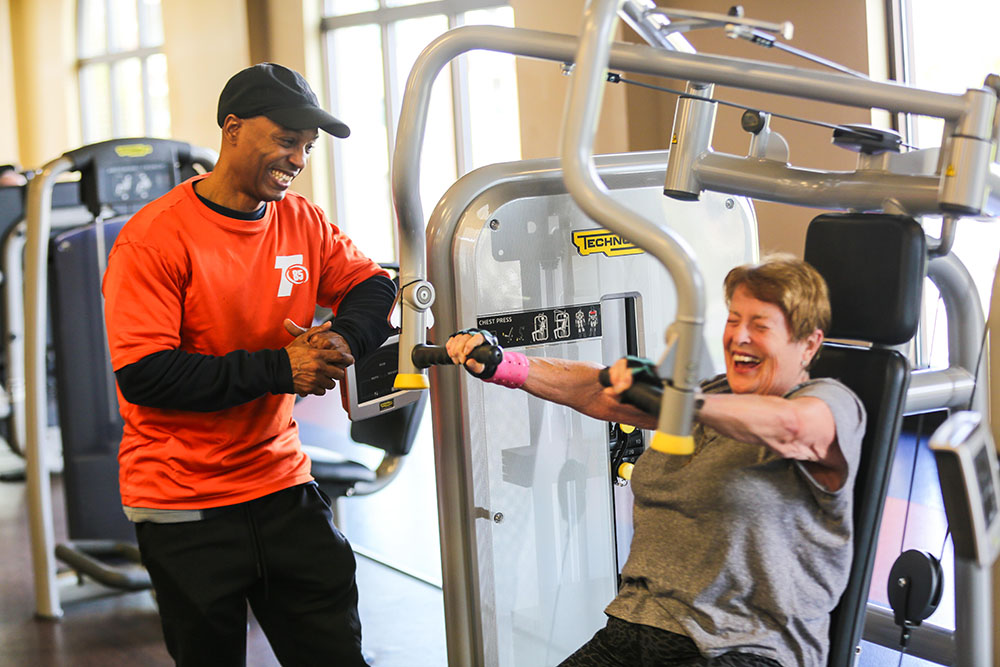
Using machines can build confidence, especially for individuals who feel intimidated by free weights. The predictable movement pattern provides reassurance and allows users to focus on progress rather than technique anxiety. This positive experience often encourages consistency and long-term adherence to fitness routines.
Long-Term Progress and Adaptation
As strength increases, it is important to adjust resistance and repetitions to continue making progress. The shoulder press machine supports progressive overload by allowing small, incremental increases in weight. Tracking performance over time helps users stay motivated and recognize improvements in strength and endurance.
Combining the Shoulder Press Machine With Other Exercises
Balanced shoulder development involves multiple movement patterns. While the shoulder press machine focuses on pressing strength, combining it with pulling and rotational exercises ensures comprehensive shoulder health. This balanced approach supports joint stability and overall upper body function.
Considerations for Different Age Groups
People of different ages can benefit from this machine when used appropriately. Younger individuals may focus on strength and muscle growth, while older adults may prioritize joint health and functional strength. The adjustable nature of the shoulder press machine makes it suitable across age groups when resistance and volume are tailored correctly.
Maintenance and Equipment Care
Regular maintenance ensures smooth operation and safety. Keeping the machine clean, checking for loose parts, and ensuring proper lubrication of moving components contribute to a better training experience. Well-maintained equipment also reduces the risk of sudden malfunctions during workouts.
Scientific Perspective on Machine-Based Training
Research in exercise science supports the use of machines for muscle isolation and controlled resistance. While free weights are often praised for functional strength, machines like the shoulder press machine play an important role in structured training programs. They provide consistent resistance and allow precise targeting of specific muscle groups.
Mental Focus and Mind-Muscle Connection

One advantage of using this machine is the ability to concentrate on the mind-muscle connection. With less need to balance the weight, users can focus on feeling the shoulders contract and relax through each repetition. This awareness enhances muscle activation and overall training quality.
Conclusion
The shoulder press machine remains a valuable tool in strength training due to its safety, versatility, and effectiveness. By offering controlled movement and adjustable resistance, it supports users at every stage of their fitness journey. From beginners learning proper form to advanced athletes refining shoulder strength, this machine plays a meaningful role in building resilient and powerful shoulders. When used with correct technique and thoughtful programming, it contributes not only to physical strength but also to confidence, posture, and long-term joint health.
Read More:- Dumbbell Shoulder Press Guide for Strength, Size, and Stability

