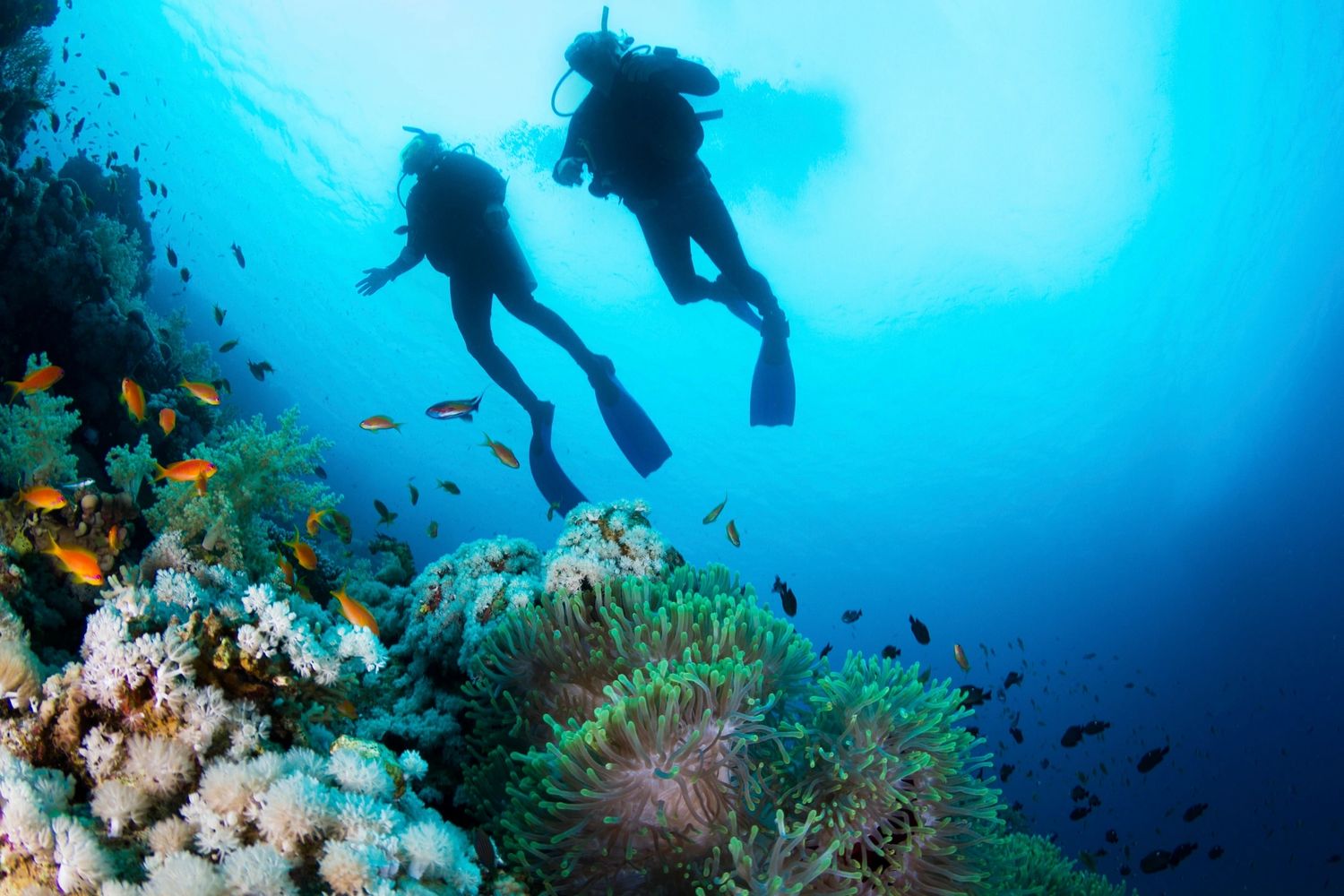
When most people think of respiratory health, they imagine clinical settings, pulmonary rehabilitation, or perhaps a dedicated yoga practice focused on pranayama. However, one of the most effective ways to improve lung awareness and breathing efficiency is found in a completely different environment: underwater.
Scuba certification is often viewed as a gateway to adventure or a hobby for travelers, but for the health-conscious individual, it serves as a practical masterclass in respiratory control. By learning to manage your breath under pressure, you develop a level of mindfulness regarding your pulmonary function that is rarely achieved in daily life.
The Physiology of Controlled Breathing
The core of scuba diving is the transition from unconscious breathing to conscious, regulated respiration. On land, most of us are “chest breathers,” utilizing only the upper portion of our lungs and often breathing shallowly due to stress or poor posture. This inefficiency can lead to increased anxiety and lower oxygen saturation in the blood.
During a certification course, students are taught the absolute necessity of slow, deep, and rhythmic breathing. This is not merely for comfort; it is a safety requirement. Rapid, shallow breathing (hyperventilation) while diving can lead to carbon dioxide buildup and increased air consumption.
Strengthening the Diaphragm
By adhering to the “low and slow” breathing patterns required for diving, practitioners engage the diaphragm more fully. This deep diaphragmatic breathing helps to:
- Increase Lung Volume: While the physical size of the lungs doesn’t grow, the efficiency with which you use your available capacity improves.
- Lower Cortisol Levels: Deep breathing triggers the parasympathetic nervous system, reducing the “fight or flight” response and lowering overall systemic stress.
- Improve Gas Exchange: Slower, deeper breaths ensure that oxygen reaches the alveoli more effectively, improving the oxygenation of the blood.
Mental Clarity and the Breath-Body Connection
Respiratory health is inextricably linked to mental health. The anxiety associated with being in an unfamiliar environment—such as deep water—can cause the breath to tighten. Learning to override this instinct through certification teaches a psychological skill known as “breath regulation.”
Once a diver masters the ability to remain calm and maintain a steady respiratory rhythm while submerged, those skills translate directly back to land. The ability to consciously slow the breath during a high-stress work meeting or a period of intense anxiety is a direct byproduct of the discipline learned during dive training.
For those living in the high-desert climate of the Southwest, where dry air can often irritate the respiratory tract, finding a way to engage in mindful breathing is essential. Many residents find that starting their journey through scuba diving St George Utah provides a structured path toward this physical and mental discipline before they head to the coast or overseas for open-water dives.
Practical Steps for Respiratory Integration
If you are pursuing certification with the goal of improving your overall wellness, consider these three integration strategies:
Practice Mindful Monitoring
During your training, pay close attention to the “feeling” of a full breath. Notice the expansion of your ribs and the movement of your abdomen. Once you have felt this sensation under the pressure of the water, try to replicate that same depth of breath during your morning commute or while sitting at your desk.
Combine Diving with Cardiovascular Health
Respiratory health is a two-part system: the lungs and the heart. To maximize the benefits of scuba certification, pair your training with low-impact cardiovascular exercise. Swimming, walking, or cycling increases the heart’s efficiency, which in turn reduces the workload on your lungs during a dive.
Focus on CO2 Tolerance
One of the primary goals of dive training is learning to manage the urge to breathe caused by carbon dioxide buildup. By gradually increasing your comfort level with this sensation, you improve your overall respiratory resilience. This makes you less prone to shortness of breath during physical exertion on land.
A Sustainable Approach to Wellness
True health is found at the intersection of physical capability and mental resilience. While many people turn to supplements or gym memberships to improve their health, the act of learning a technical skill like scuba diving offers a unique advantage. It forces a level of respiratory discipline that is nearly impossible to ignore.
By shifting your perspective from “vacation activity” to “respiratory training,” a scuba certification becomes an investment in your long-term vitality. You aren’t just learning how to navigate the ocean; you are learning how to master the most fundamental process of human life: the breath.
