Introduction
Learn how do you get pink eye, the common causes, symptoms, and prevention strategies to protect your eyes from infection or irritation.
Pink eye, medically known as conjunctivitis, is one of the most common eye conditions affecting millions globally. It causes redness, itching, and discomfort, often alarming those who experience it. Understanding how do you get pink eye is essential to prevent and treat it effectively. This article explores the causes, symptoms, treatment options, and preventive measures to help you maintain eye health.
What is Pink Eye?
Pink eye is a common eye infection. Learn how do you get pink eye, its types, causes, and key ways to reduce the risk of spreading it.
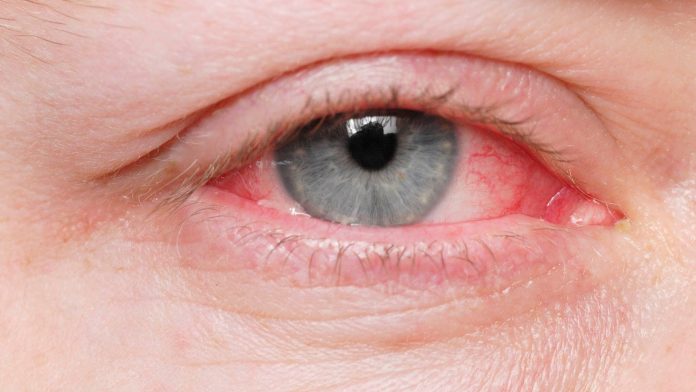
Pink eye occurs when the conjunctiva—the thin, transparent layer covering the white part of your eye—becomes inflamed. This inflammation can result from several causes, including infections, allergens, or irritants. While pink eye is usually not serious, it can be highly contagious in certain forms.
Types of Pink Eye
| Type of Pink Eye | Cause | Key Symptoms | Contagious? |
|---|---|---|---|
| Viral | Adenoviruses, other viruses | Redness, watery eyes, mild discomfort | Yes |
| Bacterial | Bacteria such as Staphylococcus or Streptococcus | Yellow or green discharge, sticky eyelids | Yes |
| Allergic | Pollen, pet dander, dust | Itching, tearing, redness | No |
| Irritant | Smoke, chlorine, foreign objects | Redness, mild tearing | No |
Understanding how do you get pink eye starts with recognizing these types and their specific causes.
Common Causes: How Do You Get Pink Eye
The question of how do you get pink eye can be answered by looking at the most common causes:
- Viral Infections:
Viruses are the leading cause of contagious pink eye. They spread through coughing, sneezing, or touching surfaces that harbor the virus. - Bacterial Infections:
Bacteria can infect the eye through contact with contaminated hands, towels, or eye makeup. This type often produces thicker discharge than viral pink eye. - Allergies:
Allergic conjunctivitis occurs when the eye reacts to allergens such as pollen, dust, or pet dander. It is not contagious but can be very uncomfortable. - Irritants:
Exposure to smoke, chlorine in pools, or foreign particles can lead to irritation-based pink eye. Though it is not infectious, it still requires care to prevent complications. - Contact Lens Usage:
Improper cleaning or overuse of contact lenses can increase the risk of bacterial or irritant-induced pink eye.
Key Risk Factors for Pink Eye
- Frequent touching of eyes with unwashed hands
- Exposure to infected individuals (viral or bacterial)
- Seasonal allergies or high pollen exposure
- Swimming in poorly chlorinated pools
- Sharing personal items like towels or makeup
Symptoms: How Do You Recognize Pink Eye
Recognizing pink eye early helps prevent spread and manage discomfort. Symptoms vary depending on the type:
| Symptom | Viral | Bacterial | Allergic | Irritant |
|---|---|---|---|---|
| Redness | ✅ | ✅ | ✅ | ✅ |
| Itching | Mild | Mild | Severe | Mild |
| Discharge | Watery | Thick, yellow/green | None | Rare |
| Swelling | ✅ | ✅ | ✅ | Mild |
| Sensitivity to Light | Mild | Mild | Rare | Mild |
Typical signs include redness, itching, tearing, discharge, and sensitivity to light. Knowing how do you get pink eye helps connect these symptoms with their source.
How Do You Get Pink Eye: Contagion and Transmission
Viral and bacterial pink eye are highly contagious. You can get pink eye through:
- Direct contact with an infected person’s eye secretions
- Touching contaminated surfaces like doorknobs, phones, or towels
- Sharing makeup, eye drops, or contact lenses
Allergic and irritant-induced pink eye, however, are not contagious but can trigger severe discomfort.
Treatment Options: How Do You Manage Pink Eye
Treatment depends on the cause. Knowing how do you get pink eye helps tailor appropriate care:
- Viral Pink Eye:
Usually resolves on its own in 1–2 weeks. Artificial tears and cold compresses help relieve discomfort. - Bacterial Pink Eye:
Often treated with antibiotic eye drops or ointments prescribed by a doctor. - Allergic Pink Eye:
Managed with antihistamine or anti-inflammatory eye drops, and avoiding allergens. - Irritant Pink Eye:
Flushing the eyes with clean water and avoiding the irritant is often sufficient.
Self-Care Tips
- Wash hands frequently and avoid touching your eyes
- Use clean towels and pillowcases daily
- Remove contact lenses until recovery
- Apply cold or warm compresses depending on comfort
- Avoid sharing personal items like makeup or eye drops
Prevention: How Do You Avoid Getting Pink Eye
Preventing pink eye is as important as knowing how do you get pink eye. Key strategies include:
- Maintain proper hand hygiene
- Disinfect frequently touched surfaces
- Avoid close contact with infected individuals
- Manage allergies proactively with medications and clean environments
- Follow proper contact lens hygiene
When to See a Doctor
Although most cases are mild, seek medical attention if:
- Symptoms persist beyond 2 weeks
- You experience severe pain or vision changes
- There is thick yellow/green discharge
- Both eyes are affected rapidly
Early intervention ensures complications are avoided.
Conclusion
Understanding how do you get pink eye helps prevent infection, manage symptoms, and protect your eyes from viral, bacterial, or allergic causes.
Pink eye can result from viruses, bacteria, allergens, or irritants. By understanding how do you get pink eye, recognizing symptoms, and practicing proper hygiene, you can reduce the risk of infection and maintain eye health. Treatment varies depending on the cause, and preventive measures are key to avoiding outbreaks. With awareness and proper care, pink eye can be managed effectively without long-term complications.
Read More:- From Amber to Violet: Exploring the Rarest Eye Colors

