Introduction
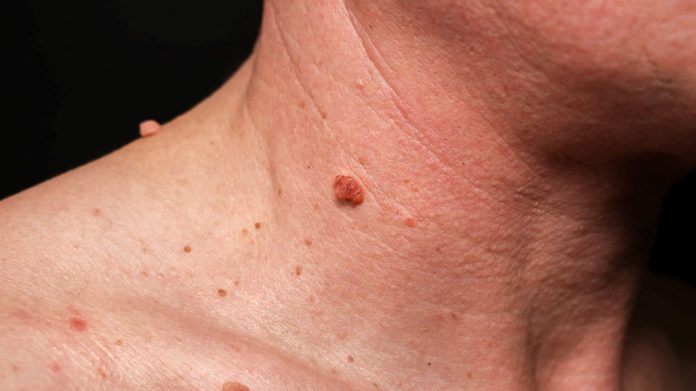
A skin tag is a small, soft, non-cancerous growth of skin that typically appears in areas where friction occurs. These growths, medically known as acrochordons, are usually flesh-colored but can sometimes be darker depending on your skin tone. While skin tags are mostly harmless, their presence can cause discomfort or embarrassment, especially if they appear in visible areas.
Skin tags vary in size, ranging from just a millimeter to over a centimeter. They are typically attached to the skin via a thin stalk called a peduncle. Despite their unusual appearance, skin tags do not pose any health threat in most cases.
Common Locations of Skin Tags
Skin tags are most often found in areas where the skin rubs against itself or clothing. Common locations include the neck, underarms, eyelids, groin, under the breasts, and other folds of skin. These areas are more prone to friction, which may contribute to the growth of skin tags.
Who Is Likely to Get Skin Tags?
While anyone can develop skin tags, they are more common in adults over the age of 40. Genetics may also play a role, and people with certain conditions like obesity or diabetes are more prone to develop these growths. Pregnant women may also notice skin tags due to hormonal changes.
Why Skin Tags Form
Friction and Skin Irritation
The most common reason skin tags appear is friction. When skin repeatedly rubs against skin or clothing, it can cause small areas of tissue to grow outward, forming tags. For example, the neck and underarm areas are prone to friction, explaining why skin tags often appear there.
Genetic and Hormonal Factors
Genetics can predispose some individuals to develop skin tags. If your family members have skin tags, you may be more likely to get them as well. Hormonal changes, especially during pregnancy, can also increase the likelihood of skin tags forming.
Other Contributing Factors
While friction and genetics are the primary causes, other factors such as age, obesity, and insulin resistance can also play a role. People with metabolic syndrome or type 2 diabetes may notice more frequent skin tags, particularly around the neck and torso.
Signs and Symptoms of Skin Tags
Skin tags are generally painless and asymptomatic. However, they can become irritated if rubbed repeatedly by clothing, jewelry, or skin folds. Some signs to watch for include:
- Small, soft growths attached by a thin stalk
- Flesh-colored or slightly darker growths
- Growths that remain stable or slowly increase in size
- Irritation or redness if rubbed frequently
- Rarely, bleeding if accidentally scratched
It is important to note that skin tags do not usually cause discomfort or health issues, but cosmetic concerns are common, especially when they appear on the face, neck, or other visible areas.
When to Worry About Skin Tags
While skin tags are typically harmless, certain signs may indicate the need for medical attention. You should consult a dermatologist if you notice:
- Rapid changes in size, shape, or color
- Pain, itching, or bleeding
- Multiple skin tags appearing suddenly
- Growths that resemble moles or warts with irregular borders
- Skin tags located in sensitive areas, such as eyelids or genitals
Although rare, a rapidly changing skin growth could indicate skin cancer or another underlying condition. Early evaluation by a healthcare professional is crucial to rule out serious concerns.
Safe Ways to Remove Skin Tags
Removal is not always necessary, but people often seek treatment for cosmetic reasons or if a skin tag causes irritation. Safe removal options include:
Professional Removal Methods
- Cryotherapy – Freezing the skin tag with liquid nitrogen to remove it safely.
- Excision – Cutting the skin tag off using sterile instruments.
- Cauterization – Burning the skin tag with a specialized device to eliminate it.
These professional methods ensure minimal risk of infection or scarring. Always consult a healthcare provider before attempting removal, especially for large or sensitive areas.
Home Remedies and Caution
Some home remedies are popular but should be approached with caution. Options like over-the-counter creams, apple cider vinegar, or tying off the skin tag can work for some, but improper use can lead to infection, bleeding, or scarring. It is generally safer to have skin tags removed by a medical professional.
Preventing Skin Tags
Prevention focuses on reducing friction and maintaining healthy skin. While you cannot completely prevent skin tags, steps that can help include:
- Keeping skin clean and dry, particularly in folds
- Maintaining a healthy weight to reduce friction in skin folds
- Wearing loose-fitting clothing to minimize irritation
- Monitoring hormonal or metabolic conditions like diabetes
- Regular skin checks for new growths
By following these practices, you can reduce the likelihood of new skin tags forming and identify any unusual growths early.
Table 1: Common Skin Tag Characteristics
| Feature | Description | Typical Location | Risk Level |
|---|---|---|---|
| Size | 1 mm – 1 cm | Neck, armpits, groin | Low |
| Color | Flesh-colored to light brown | Eyelids, under breasts | Low |
| Texture | Soft, smooth | Neck, torso | Low |
| Attachment | Thin stalk (peduncle) | Armpits, groin | Low |
| Pain/Discomfort | Usually none; may irritate with friction | Anywhere with friction | Low |
Risks and Complications
While skin tags are benign, complications can occur if they are:
- Frequently irritated by clothing or jewelry
- Accidentally cut or scratched
- Located in sensitive areas like eyelids or genitals
Complications usually involve minor bleeding, infection, or discomfort. Rarely, an irritated skin tag may mimic more serious skin conditions, emphasizing the importance of monitoring any changes.
Table 2: Professional vs Home Removal Methods
| Method | Description | Advantages | Risks/Drawbacks |
|---|---|---|---|
| Cryotherapy | Freezing with liquid nitrogen | Quick, minimal bleeding | May cause temporary discoloration |
| Excision | Cutting off the skin tag | Immediate removal | Risk of scarring or infection |
| Cauterization | Burning off the skin tag | Controlled, effective | Possible discomfort and minor burns |
| Home Remedies | Vinegar, tying, OTC creams | Non-invasive, accessible | Infection, irritation, incomplete removal |
Skin Tag Myths and Facts
There are several misconceptions surrounding skin tags that can create unnecessary concern. Some common myths include:
- Skin tags are contagious – False. They do not spread from person to person.
- All skin tags must be removed – False. Most are harmless and removal is optional.
- Skin tags turn into cancer – False. Skin tags are benign; only rare skin changes require evaluation.
Understanding these facts helps reduce unnecessary worry and encourages safe management practices.
Skin Tag Care Routine
Proper care involves monitoring, gentle hygiene, and avoiding irritation. Daily steps include:
- Gently cleaning areas prone to skin tags with mild soap and water
- Keeping skin dry to prevent friction
- Avoiding tight clothing that rubs on the skin
- Using soft fabrics or protective padding if irritation occurs
- Regularly examining skin for new or changing growths
These simple measures ensure that skin tags remain harmless and reduce the risk of complications.
Conclusion: When Skin Tags Are Harmless and When to Seek Help
Skin tags are common, benign skin growths that often appear due to friction, genetics, or hormonal changes. Most skin tags do not cause pain or health issues, making them harmless in everyday life. Proper care, gentle hygiene, and monitoring are sufficient for most people.
However, sudden changes in size, color, or appearance, or growths in sensitive areas, warrant professional evaluation. Safe removal methods are available for those seeking cosmetic improvements or relief from irritation. Understanding the causes, risks, and care strategies for skin tags allows individuals to manage them confidently while knowing when medical attention is necessary.
Skin tags are harmless growths caused by friction, genetics, or hormones. Learn safe care, removal methods, and when to consult a doctor.
Discover everything about skin tags, from causes and prevention to safe removal options. Know when they are harmless and when to worry.
Skin tags may be unsightly but are usually harmless. Learn how to care for, prevent, and safely remove them if irritation occurs.
Read More:- Overnight Skin Tag Removal: Quick and Effective Solutions

