The modern lifestyle often subjects our lower extremities to unique and cumulative forms of stress. Whether you’re navigating a busy downtown area with uneven pavement, spending an extended day standing at a service counter that requires constant weight bearing, or even just managing the cumulative effect of daily travel involving long flights or car rides, your legs can feel significantly taxed by evening. This fatigue isn’t merely about general muscle soreness; it can manifest as a deep, heavy ache, persistent throbbing, or sometimes, noticeable, non-receding swelling. Understanding the mechanics of why this happens is the first step toward long-term relief.
While many home remedies focus on immediate, symptomatic pain relief—like elevating the legs or applying graduated compression socks—true, sustainable improvement requires understanding the underlying circulatory mechanics. For those in the Utah area, recognizing precisely when simple self-care measures are insufficient and when a professional vascular assessment is needed is absolutely key to maintaining long-term comfort and mobility.
Addressing the Day-After Drag: Immediate Relief Strategies
When you finally settle down at the end of a demanding day, the primary goal is to actively encourage blood flow back toward the heart and mitigate the buildup of stagnant fluid in the peripheral tissues. Think of this process as gently yet thoroughly flushing out a slow-moving, sluggish drain system.
Gentle Movement and Circulation
Contrary to the common, passive advice to simply collapse and rest, complete inactivity can sometimes exacerbate the problem by allowing blood to pool more easily. Therefore, the focus should shift to active recovery techniques.
- Ankle Pumps: While comfortably seated, lift one foot slightly off the ground and perform a deliberate range of motion: point your toes away from you (plantarflexion), then flex them back sharply toward your shin (dorsiflexion). Repeat this motion slowly and deliberately for several minutes on each leg. This simple action engages the calf muscles, which are critical because they act as a powerful, rhythmic pump for venous return, pushing blood upward.
- Calf Stretches: Gradually stretching the calf muscles helps to encourage the “squeeze” effect needed for better circulation. Stand near a sturdy wall, placing both hands on it for balance. Step one foot back, ensuring the heel remains planted firmly on the floor and the knee stays straight until you feel a distinct, gentle stretch along the back of the calf. Hold this stretch patiently for a full 20-30 seconds, breathing deeply, before switching legs.
- Elevation Protocol: When resting, it is non-negotiable that your feet and lower legs are elevated above the level of your heart. A simple stack of firm pillows or using a dedicated recliner footrest works wonders by allowing gravity to assist the natural venous return process. Aim to keep them elevated for at least 15-20 minutes post-activity.
Dietary and Lifestyle Adjustments
What you consume and how you structure your movement throughout the day plays a significant, measurable role in overall vascular health. Hydration is paramount; dehydration can subtly thicken the blood’s viscosity, making the circulatory system work harder than necessary. Furthermore, incorporating potassium-rich foods (such as bananas, sweet potatoes, or avocados) can provide necessary electrolytes that support healthy blood vessel elasticity and function. Crucially, managing chronic underlying conditions like diabetes or hypertension is vital, as these conditions are major systemic risk factors that significantly impair vein health over time, making the veins less resilient.
Recognizing When Lifestyle Changes Aren’t Enough
Sometimes, the discomfort experienced isn’t merely fatigue; it can be a tangible sign of underlying venous insufficiency or another more complex vascular issue. These conditions mean that the veins in your legs are struggling to maintain adequate one-way valves or are too weak to move blood efficiently back to the heart, often resulting in chronic, persistent swelling (edema), deep aching, or visible changes in the skin’s texture or color.
The Importance of Professional Assessment
It is absolutely vital to differentiate between simple, temporary muscle fatigue and a genuine, chronic circulatory impairment. Certain persistent symptoms strongly warrant a discussion with a qualified vascular expert. These can include:
- Swelling that remains noticeable and does not subside after proper elevation, especially if one leg is consistently worse than the other.
- Visible skin changes, such as persistent discoloration (redness or darkening) or palpable hardening, particularly around the ankles.
- A chronic, deep feeling of heaviness or a pulling sensation that consistently disrupts the quality or duration of your sleep patterns.
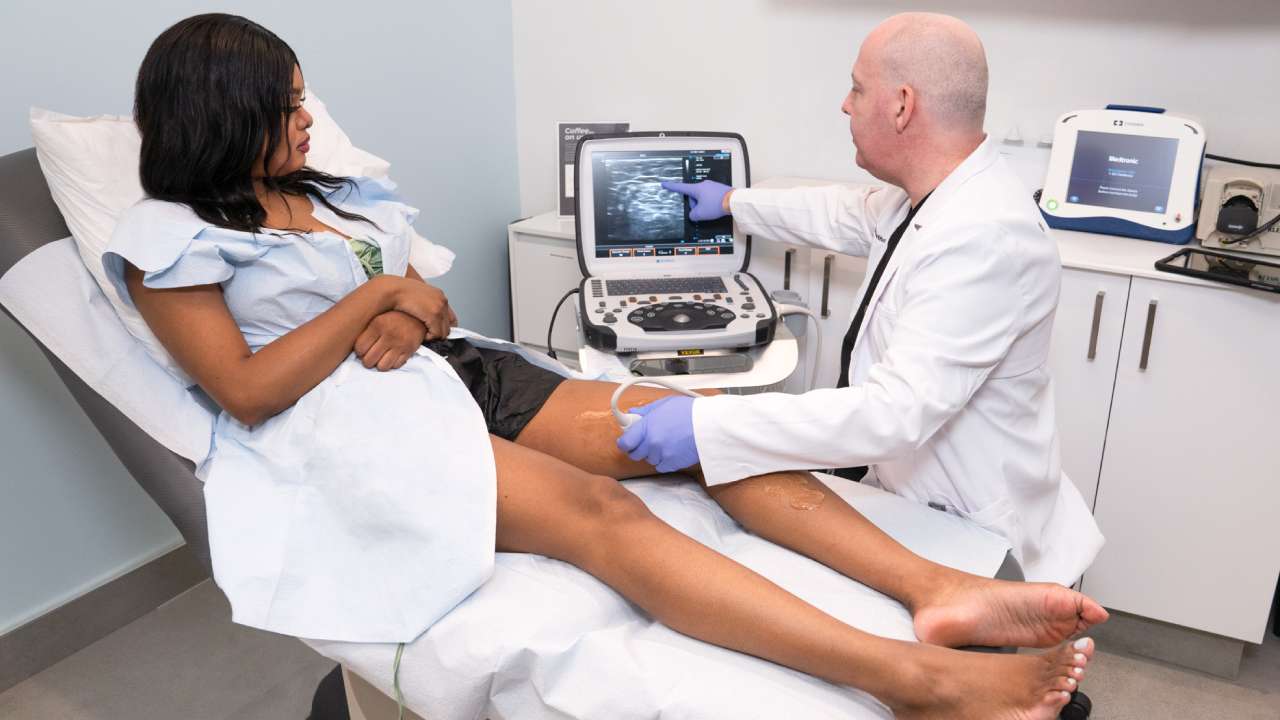
When these signs are present, a comprehensive, diagnostic evaluation is necessary. These specialists use advanced, non-invasive tools to assess the actual functional integrity of your veins, looking for potential weaknesses, incompetent valves, or blockages that simple at-home care protocols cannot diagnose or correct. Consulting with trusted local experts, such as those found among reputable vein specialists Utah, can provide invaluable clarity on the true root cause of your persistent discomfort.
A Holistic View of Leg Health
Ultimately, improving leg health is not solely about treating the discomfort symptoms; it’s about maintaining the long-term structural and functional integrity of the entire circulatory system. By diligently combining consistent self-care—like disciplined elevation and targeted stretching routines—with professional, periodic monitoring, individuals can achieve significant improvements in their daily comfort and maintain an active, fulfilling lifestyle, regardless of how arduous the day has been.

